Consultant-Led Allergy Patch Testing in Central London
Allergy Patch Testing at LSDC Healthcare is delivered by consultant dermatologists with expertise in inflammatory skin disease and occupational dermatitis.
Patch testing identifies delayed-type (Type IV) hypersensitivity reactions responsible for allergic contact dermatitis, allowing precise avoidance strategies and targeted treatment.
Testing is performed in a private, consultant-only setting in the City of London, with structured interpretation and clear, practical guidance.
What is Allergy Patch Testing?
Allergy Patch Testing is a diagnostic procedure in which small amounts of standardised allergens are applied to the skin (usually the upper back) under occlusion.
The skin is assessed over several days to identify delayed allergic reactions, which typically develop 48–96 hours after exposure.
It is the gold-standard investigation for allergic contact dermatitis.
Who is Allergy Patch Testing for?
Patch testing may be recommended for patients with:
Suspected allergic contact dermatitis
Chronic or recurrent eczema unresponsive to treatment
Occupational dermatitis (e.g. healthcare, construction, beauty, manufacturing)
Facial, eyelid, hand, or anogenital dermatitis
Dermatitis related to cosmetics, fragrances, metals, rubber, or preservatives
Suspected reactions to topical medications
Your consultant will determine suitability based on clinical history and examination.
Clinical Benefits and Indications
Clinical benefits include:
Identification of causative contact allergens
Differentiation between allergic and irritant dermatitis
Targeted allergen avoidance strategies
Reduction in disease recurrence
Improved long-term disease control
Avoidance of unnecessary medications
Indications include:
Persistent or unexplained dermatitis
Suspected allergy to everyday or occupational exposures
How LSDC Delivers This Differently
At LSDC Healthcare, allergy patch testing is characterised by:
Consultant-led assessment, testing, and interpretation
Use of validated standard and extended allergen series
Individualised selection of allergens based on exposure history
Clear written allergen avoidance advice
Integration with medical and occupational dermatology care
Ongoing follow-up to optimise disease control
Patients receive practical, actionable results, not just test outcomes.
Diagnostics and Investigations Involved
The patch testing pathway typically includes:
Detailed clinical and occupational history
Consultant skin examination
Application of standardised allergen panels
Serial readings at defined intervals (usually 48 and 72–96 hours)
Interpretation of reactions by a consultant dermatologist
Additional testing or biopsy may be arranged if indicated.
Recovery, Follow-Up and Ongoing Care
Patch testing does not involve needles or injections
Normal daily activities can usually continue
Temporary itching or redness may occur at test sites
Clear guidance provided on allergen avoidance
Follow-up consultation to review results and management plan
Ongoing dermatology care if required
Insurance and Self-Pay
Allergy patch testing is commonly covered by UK private medical insurers, including Bupa, AXA, Aviva, Vitality and WPA, subject to policy terms and authorisation.
Self-pay patients are offered transparent pricing, confirmed prior to testing.
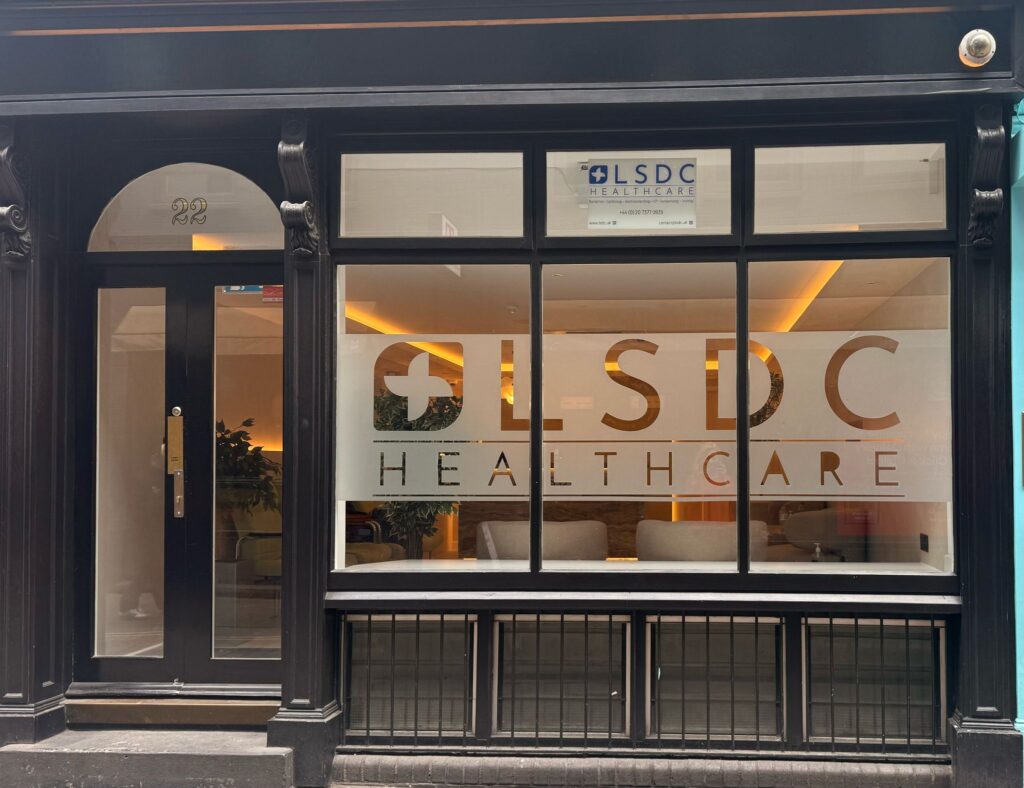
LSDC Healthcare
A couple of minutes outside Liverpool St Station, this excellent facility is conveniently located for Medical consultations in London.
This facility is open during the evenings making it an excellent choice for busy professionals.
Book An Allergy Patch Testing
If you have ongoing eczema or suspected allergic contact dermatitis, our consultants can provide expert assessment and definitive diagnostic testing.
Appointments are available at our Central London clinic.
FAQ — Allergy Patch Testing
What does allergy patch testing diagnose?
Patch testing identifies delayed allergic reactions responsible for allergic contact dermatitis, such as allergies to metals, fragrances, preservatives, or rubber chemicals.
How is patch testing different from skin prick testing?
Patch testing detects delayed-type allergic reactions, whereas skin prick testing is used for immediate-type allergies such as food or hay fever.
Is allergy patch testing painful?
No. Patch testing does not involve needles. Mild itching or redness may occur at test sites as part of the reaction.
How long does patch testing take?
The process usually involves an initial application visit followed by one or two review appointments over several days.
Do I need to stop medications before patch testing?
Your consultant will advise. Topical steroids on the test area and systemic immunosuppressive medications may affect results.
Is allergy patch testing covered by private insurance?
Yes. Patch testing is typically covered by UK private medical insurers, subject to policy terms and prior authorisation.