Consultant-Led Hysteroscopic Surgery in Central London
Hysteroscopic myomectomy and polypectomy at LSDC Healthcare are performed by consultant gynaecological surgeons with specialist expertise in minimally invasive uterine surgery.
These procedures allow precise removal of intrauterine pathology through the cervix, avoiding abdominal incisions and preserving the uterus.
All care is delivered in a private, consultant-led setting in the City of London, with careful diagnostic assessment and structured follow-up.
What are Hysteroscopic Myomectomy & Polypectomy?
Hysteroscopic myomectomy involves removal of submucosal fibroids projecting into the uterine cavity.
Hysteroscopic polypectomy removes endometrial polyps, which are benign overgrowths of the uterine lining.
Both procedures are performed using a hysteroscope passed through the cervix, allowing direct visualisation and targeted treatment without external scars.
Who are These Procedures For?
Hysteroscopic surgery may be recommended for women with:
Abnormal uterine bleeding
Heavy or prolonged periods
Intermenstrual bleeding
Subfertility or recurrent miscarriage
Submucosal fibroids affecting the uterine cavity
Endometrial polyps identified on imaging or hysteroscopy
Suitability is confirmed following consultant assessment and ultrasound or hysteroscopic findings.
Clinical Benefits and Indications
Clinical benefits include:
Resolution of abnormal bleeding
Improvement in fertility outcomes (selected cases)
Uterus-preserving treatment
No abdominal incisions or scarring
Short recovery time
Histological diagnosis of removed tissue
Key indications include:
Symptomatic submucosal fibroids
Endometrial polyps causing bleeding or fertility issues
How LSDC Delivers This Differently
Hysteroscopic surgery at LSDC Healthcare is distinguished by:
Consultant-led diagnosis and operative hysteroscopy
Careful selection between outpatient and theatre-based procedures
Use of modern hysteroscopic instruments for precision
Fertility-focused surgical planning
Clear counselling on alternatives and recurrence risk
Seamless escalation to further treatment if required
Our Patients receive precision uterine surgery, not blind or empirical intervention.
Diagnostics and Investigations Involved
Assessment may include:
Transvaginal ultrasound
Saline infusion sonography (if indicated)
Diagnostic hysteroscopy
Endometrial biopsy (selected cases)
Blood tests and pre-operative assessment
All investigations are clinically justified and discussed in advance.
Recovery, Follow-Up and Ongoing Care
Procedures are often performed as day cases
Mild cramping or spotting may occur temporarily
Most patients return to normal activity within a few days
Follow-up reviews histology and symptom response
Further fertility or bleeding management planned if needed
Insurance and Self-Pay
Hysteroscopic myomectomy and polypectomy are covered by major UK private medical insurers, including Bupa, AXA, Aviva, Vitality and WPA, subject to policy terms and authorisation.
Self-pay patients receive transparent consultant-led pricing, discussed before treatment.
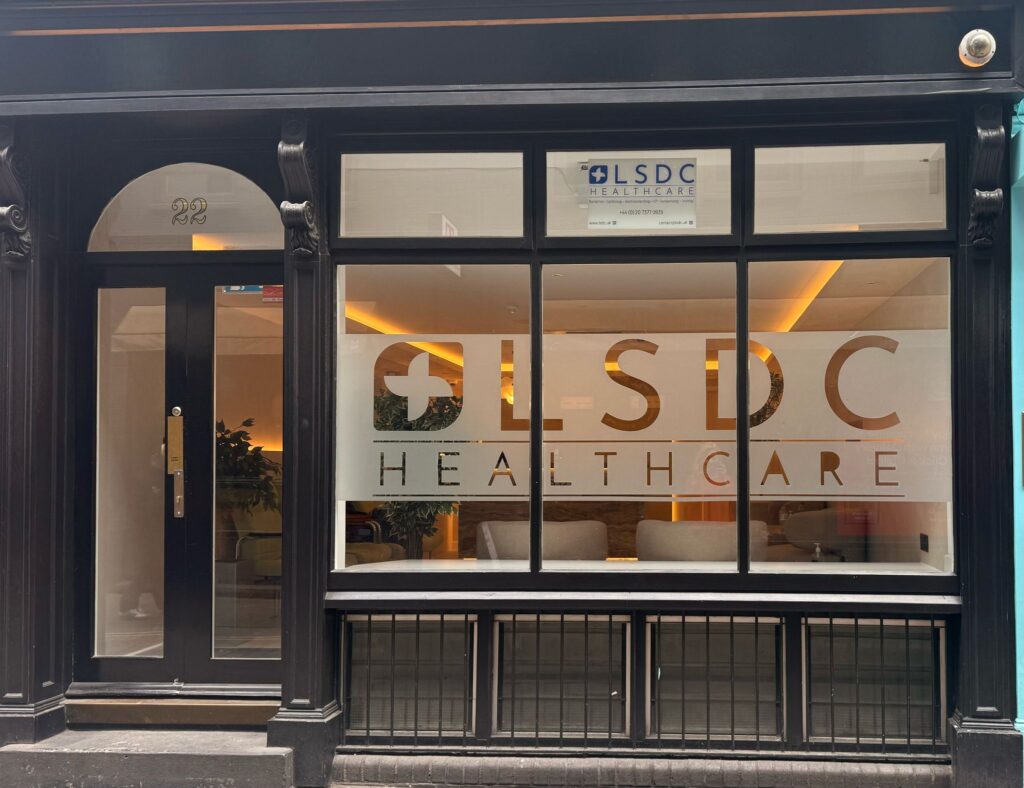
LSDC Healthcare
A couple of minutes outside Liverpool St Station, this excellent facility is conveniently located for Medical consultations in London.
This facility is open during the evenings making it an excellent choice for busy professionals.
Book A Hysteroscopic Surgery Consultation
If you have abnormal uterine bleeding, fibroids, or polyps affecting fertility or quality of life, our consultants provide expert assessment and minimally invasive uterine surgery in Central London.
FAQ — Hysteroscopic Myomectomy & Polypectomy
Will this surgery affect my fertility?
In many cases, removing submucosal fibroids or polyps can improve fertility and pregnancy outcomes.
Is the procedure painful?
The procedure is usually performed under anaesthesia. Mild cramping afterwards is common and short-lived.
How long is recovery?
Most patients resume normal activities within a few days.
Can fibroids or polyps recur?
Recurrence is possible. Follow-up and further management are tailored individually.
Will I need a general anaesthetic?
This depends on the size and complexity of the lesion. Your consultant will advise on the safest approach.
Is hysteroscopic surgery covered by private insurance?
Yes. It is commonly covered by UK private medical insurers, subject to policy terms.