

A Patient’s Story
Sarah, 46, had lived with chronic reflux symptoms for over a decade. Daily heartburn, throat irritation, and a persistent cough were affecting both her sleep and professional life. Despite long-term medication, her symptoms would return whenever treatment was reduced. She was reluctant to pursue surgery and wanted an option that felt effective but proportionate.
After specialist assessment, Sarah underwent the Stretta anti-reflux procedure. Within months, her symptoms improved significantly, and she was able to reduce her reliance on medication. “It felt like a reset rather than an operation,” she said.
What Is the Stretta Anti-Reflux Procedure?
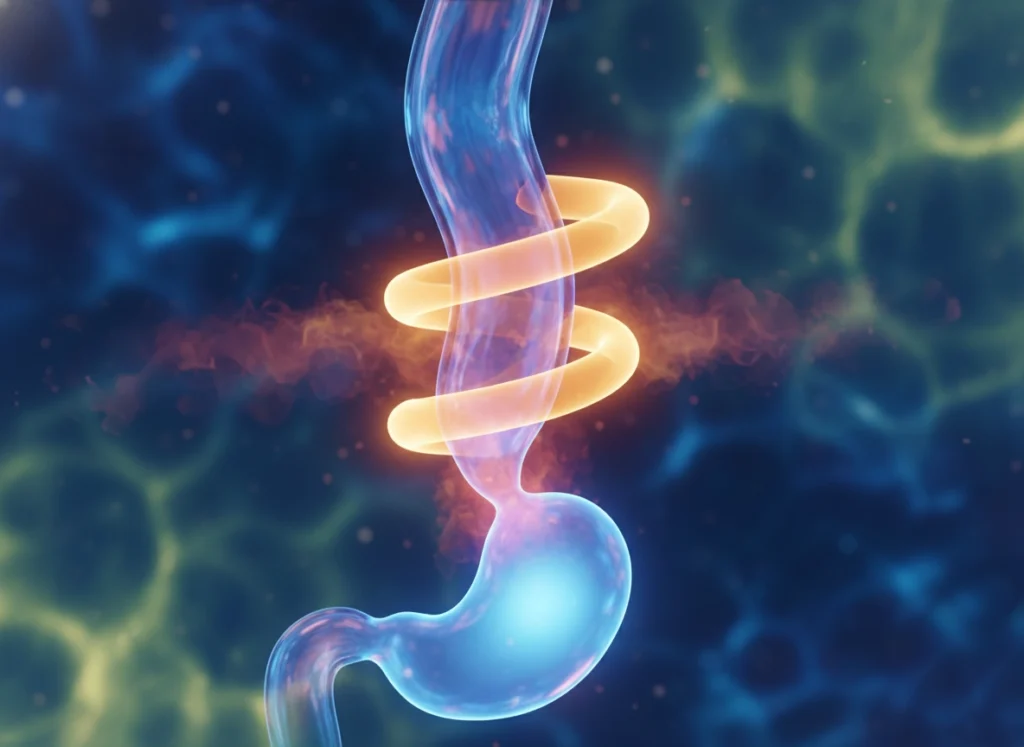
The Stretta procedure is a minimally invasive endoscopic treatment designed to manage gastro-oesophageal reflux disease (GERD) and selected cases of laryngopharyngeal reflux (LPR). It targets the lower oesophageal sphincter (LES), the muscular valve between the oesophagus and stomach that prevents acid from flowing upwards.
Rather than altering anatomy surgically, Stretta uses radiofrequency energy to improve the function and strength of this valve.
How the Stretta Procedure Works
During the procedure, a thin flexible endoscope is passed through the mouth into the oesophagus. Controlled radiofrequency energy is delivered to the muscle tissue around the LES.
This energy:
Thickens and tightens the LES muscle
Reduces abnormal relaxation of the valve
Improves resistance to acid reflux
Enhances oesophageal barrier function over time
The goal is not to block the oesophagus, but to restore more normal physiology.
Who May Benefit From Stretta?
The Stretta anti-reflux procedure may be suitable for patients who:
Have persistent GERD or LPR symptoms despite medication
Experience symptom recurrence when reducing acid suppressants
Prefer a non-surgical approach
Have mild to moderate reflux without large hiatal hernias
Careful patient selection is essential, and assessment typically includes endoscopy, reflux testing, and symptom correlation.
What Happens During and After the Procedure?
Stretta is usually performed as a day-case procedure under conscious sedation. It typically takes less than one hour.
After treatment:
Most patients return home the same day
Normal activities can usually resume within days
Improvement in symptoms often occurs gradually over weeks to months
Some patients experience temporary chest discomfort or throat soreness, which typically resolves quickly.
Stretta vs Surgery: How Is It Different?
Unlike surgical fundoplication, Stretta:
Does not involve incisions or anatomical reconstruction
Preserves future surgical options if needed
Carries a lower risk of swallowing difficulties or gas bloating
Offers symptom control with minimal recovery time
It is often considered a middle ground between long-term medication and surgery.
Safety and Effectiveness
Clinical studies show that Stretta can lead to:
Reduced reflux symptoms
Improved quality of life
Decreased dependence on acid-suppressing medication
When performed by experienced specialists, the procedure has a strong safety profile with a low complication rate.
Is Stretta Right for You?
Not all reflux is the same. Determining suitability for Stretta requires a comprehensive specialist assessment. For the right patient, it can offer meaningful symptom relief without surgery.
Considering a Minimally Invasive Reflux Solution?
Expert assessment matters.
Book a consultation with LSDC Healthcare to explore whether the Stretta anti-reflux procedure is appropriate for your reflux symptoms and long-term digestive health.