A Patient’s Story
When James recovered from his mild COVID-19 infection, he was relieved that most of his symptoms had faded. But a few days later, he noticed burning in his chest and frequent regurgitation, especially after coughing fits. He assumed it was temporary, but the discomfort persisted.
Like many patients, he didn’t realise that even acute COVID-19 infection could trigger or worsen acid reflux. Understanding why this happens and how to manage it can make a significant difference to recovery and comfort.
How COVID-19 Can Affect Acid Reflux
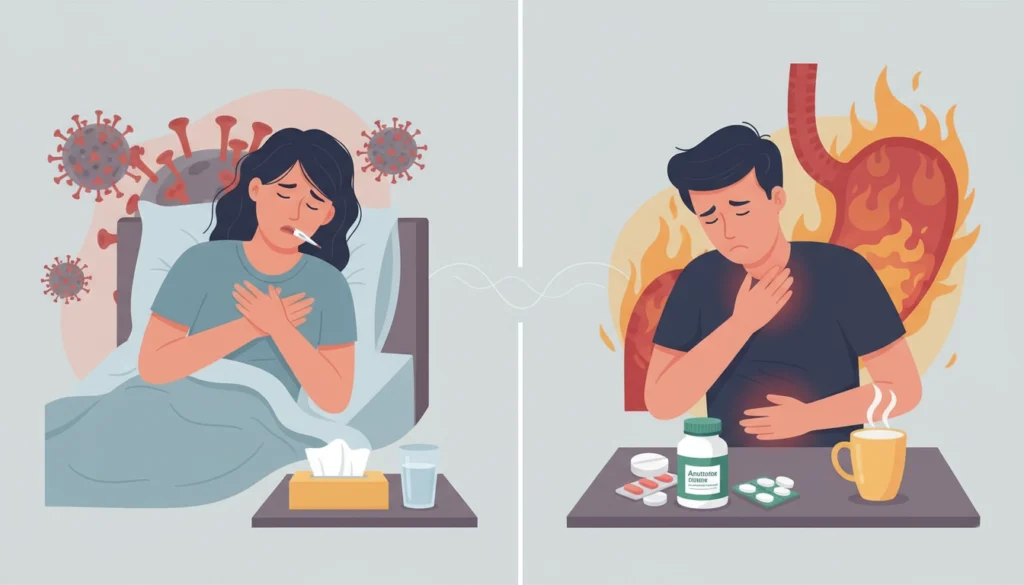
COVID-19, caused by the SARS-CoV-2 virus, primarily targets the respiratory system, leading to inflammation, irritation, and, in many cases, persistent coughing. While coughing is a natural response to clear the lungs and airways, it can have a direct impact on your digestive system, particularly the oesophagus and stomach.
Why coughing contributes to reflux:
Increased intra-abdominal pressure: Every cough generates a surge of pressure inside the abdomen. If repeated frequently, this pressure can force stomach acid back into the oesophagus.
Impact on the lower oesophageal sphincter (LES): The LES is a muscular ring that prevents stomach contents from refluxing. Persistent coughing can weaken it over time, making acid reflux more likely.
Medication effects: Some patients with COVID-19 are prescribed corticosteroids or other anti-inflammatory medications, which can relax the LES and worsen reflux symptoms.
Who Is Most at Risk
Certain patients are more susceptible to developing reflux during or after a COVID infection:
Older adults: Age-related changes in LES function and slower gastric emptying make reflux more likely.
Patients with pre-existing GERD or acid reflux: Even mild reflux prior to infection can worsen with coughing.
Individuals with frequent or severe cough: More forceful and persistent coughing increases intra-abdominal pressure.
Patients on corticosteroids or other medications affecting the LES
Recognising the Symptoms
Common symptoms of cough-related acid reflux include:
Heartburn: Burning sensation behind the breastbone, often after coughing or meals
Regurgitation: Acid or food coming back into the mouth
Persistent cough: Particularly at night or after meals
Sore throat or hoarseness: From irritation caused by stomach acid reaching the throat
Nausea or bloating: Often related to increased abdominal pressure
Managing Acid Reflux During Acute COVID Infection
A multifaceted approach works best, combining lifestyle measures, medications, and strategies to manage coughing:
Lifestyle Modifications:
Maintain a healthy weight to reduce pressure on the stomach.
Elevate the head of the bed by 10–15 cm to prevent reflux during sleep.
Avoid large meals, especially close to bedtime.
Limit trigger foods and drinks such as spicy meals, citrus, coffee, and alcohol.
Stop smoking, which can worsen reflux and impair healing.
Medication Management:
Proton pump inhibitors (PPIs) or H2-receptor antagonists can reduce stomach acid and relieve symptoms.
Antacids provide short-term relief during acute episodes.
Always discuss with your healthcare provider to avoid interactions with COVID-19 treatments, particularly if taking steroids or antivirals.
Managing Cough-Induced Pressure:
Learn controlled breathing techniques to reduce strain during coughing fits.
Gentle postural adjustments, such as leaning slightly forward when coughing, can lower intra-abdominal pressure.
Humidified air or throat lozenges may reduce throat irritation and the intensity of coughs.
When to Seek Medical Advice
While most reflux symptoms during acute COVID are manageable, you should contact a healthcare professional if you notice:
Severe or worsening heartburn that doesn’t respond to over-the-counter medications
Difficulty swallowing or persistent vomiting
Chest pain that is sudden, severe, or radiates to the arm or jaw
Blood in vomit or stool
Reflux symptoms that continue after your COVID-19 infection has resolved
At LSDC, we guide patients through these symptoms, helping distinguish between simple cough-induced reflux and conditions that require further investigation.
Practical Tips for Patients
Track your symptoms: Note when heartburn or regurgitation occurs, particularly after coughing or meals.
Stay upright after eating: Avoid lying down for at least two hours post-meal.
Hydration: Drink water throughout the day to soothe the throat and help clear acid.
Mind your medications: Take PPIs or H2 blockers as prescribed and inform your doctor about all other medications, including COVID-related therapies.