
Could Your Acid Reflux Be Caused by SIBO?
A patient’s story
Anna, a 38-year-old office manager, had been struggling with bloating, heartburn, and occasional constipation for over a year. She tried over-the-counter medications and dietary changes, but her symptoms never fully went away. Her GP suggested a faecal test and a breath test, and the results revealed something unexpected: Small Intestinal Bacterial Overgrowth (SIBO). Anna’s reflux symptoms improved significantly after addressing the bacterial imbalance.
Her story is not unique. Many patients experience acid reflux and digestive discomfort without realising that bacterial overgrowth in the small intestine may be contributing to their symptoms.
Understanding SIBO
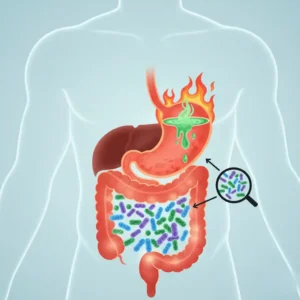
Small Intestinal Bacterial Overgrowth (SIBO) occurs when bacteria that normally reside in the colon migrate into the small intestine, where they interfere with normal digestion. This can cause:
-
Bloating and abdominal distension
-
Abdominal pain or discomfort
-
Diarrhoea, constipation, or alternating bowel habits
-
Excessive gas and belching
The bacteria ferment undigested carbohydrates, producing gases that increase pressure in the small intestine and can trigger reflux symptoms. SIBO often develops in people with reduced gut motility, chronic use of proton pump inhibitors (PPIs), or after certain surgeries that affect the digestive tract.
What is Acid Reflux?
Acid reflux, also called gastroesophageal reflux disease (GERD), happens when stomach acid flows back into the oesophagus, causing irritation. Symptoms include:
-
Heartburn or burning sensation in the chest
-
Regurgitation of stomach contents
-
Persistent cough or throat irritation
-
Nausea and a feeling of fullness
While acid suppression with medications like PPIs can provide relief, they do not always address underlying causes such as gut motility issues or bacterial imbalance.
How SIBO and Acid Reflux Are Connected
The relationship between SIBO and acid reflux is often bidirectional, but in clinical practice, reflux frequently predisposes to SIBO.
Key mechanisms include:
-
Motility Dysfunction: Reduced gut movement allows bacteria to migrate upward, increasing SIBO risk. Impaired motility also weakens the lower oesophageal sphincter, leading to reflux.
-
Gas and Fermentation: Bacterial fermentation in the small intestine produces gas, causing distension and pressure that may push stomach acid back into the oesophagus.
-
Medication Effects: Chronic PPI use reduces stomach acidity, which normally prevents bacterial overgrowth, creating an environment where SIBO can develop.
Patient Groups Prone to Both SIBO and Reflux
Certain populations are more susceptible:
-
Long-term PPI users
-
IBS patients with bloating and irregular bowel habits
-
Post-surgical patients, such as after gastric bypass or small bowel surgery
-
Older adults with reduced gastric acid and slower motility
-
Connective tissue disorders, for example scleroderma, affecting gut motility
Diagnostic Approach
| Condition | Common Tests | Key Points |
|---|---|---|
|
SIBO |
Hydrogen/methane breath test (lactulose or glucose), jejunal aspirate culture (rare) |
Positive test = rise ≥20 ppm H2 or ≥10 ppm CH4 within 90 min; methane often linked with constipation |
|
Acid Reflux / GERD |
Upper endoscopy (if alarm features), 24-h pH or pH-impedance monitoring |
Reflux may occur even with normal acid levels (e.g., hypersensitive oesophagus) |
Important: Avoid antibiotics and PPIs for 2–4 weeks before SIBO breath testing to prevent false negatives.
Managing Both Conditions
A multimodal approach often works best, targeting bacterial overgrowth, gut motility, and reflux simultaneously. At LSDC Clinic, we provide personalised assessment and treatment plans that integrate these strategies for the best outcomes.
Addressing SIBO
-
Antibiotics: Rifaximin is commonly used; for methane-dominant SIBO, rifaximin plus neomycin may be recommended under specialist supervision.
-
Herbal antimicrobials: Options such as oregano oil or berberine can help in mild or recurrent cases. Our clinicians at LSDC provide guidance on dosing and duration.
-
Dietary strategies: Low FODMAP or elemental diets reduce fermentable carbohydrates. Gradual reintroduction is key to preserving microbiome diversity, and our dietitians support patients every step of the way.
-
Prokinetics: Medications like low-dose erythromycin or prucalopride may improve gut motility and reduce recurrence, prescribed with careful monitoring at LSDC.
Managing Reflux
-
Step-down acid suppression: Short courses of PPIs, followed by H2 blockers or on-demand therapy, are tailored to each patient.
-
Lifestyle adjustments: Smaller meals, avoiding late-night eating, maintaining a healthy weight, and elevating the head of the bed can all reduce symptoms.
-
Address SIBO-related bloating: By treating bacterial overgrowth, reflux symptoms often improve naturally, reducing reliance on long-term acid suppression.
Integrative Care at LSDC Clinic
Treating both gut motility and bacterial imbalance concurrently is often the most effective strategy. At LSDC Clinic, we combine specialist diagnostics, personalised dietary planning, and targeted therapies to manage SIBO and reflux together.
We also focus on patient education, helping you understand that reflux is not always caused by excess acid and that SIBO may occur without diarrhoea. This approach corrects common misconceptions, supports lasting symptom relief, and minimises unnecessary medication or procedures.
By choosing LSDC Clinic, patients gain access to comprehensive gut health assessment and ongoing specialist support, ensuring a safe, evidence-based, and personalised pathway to digestive wellness.
Common Misconceptions
-
All reflux means too much acid: Reflux can occur with normal or low acid levels.
-
SIBO always causes diarrhoea: Methane-dominant SIBO often causes constipation and bloating.
-
PPIs cure reflux permanently: PPIs control acid but do not fix motility or microbiota imbalances.