Consultant-Led TURP Surgery in Central London
Transurethral Resection of the Prostate (TURP) at LSDC Healthcare is performed by consultant urological surgeons with extensive experience in the surgical management of benign prostatic hyperplasia (BPH).
TURP remains the gold-standard surgical treatment for men with significant urinary obstruction who have not responded adequately to medical therapy.
All procedures are delivered within a private, consultant-led environment in the City of London, with comprehensive peri-operative care and structured follow-up.
What is Transurethral Resection of the Prostate (TURP)?
TURP is a minimally invasive endoscopic operation performed through the urethra, without any external incisions.
Excess prostate tissue causing urinary blockage is removed using a specialised resection instrument, restoring normal urine flow.
The procedure does not involve removal of the entire prostate and is performed under general or spinal anaesthesia.
Who is TURP for?
TURP may be recommended for men with:
Benign prostatic hyperplasia (BPH)
Severe lower urinary tract symptoms (LUTS)
Poor response or intolerance to medication
Recurrent urinary retention
Recurrent urinary tract infections due to obstruction
Bladder stones or kidney damage related to BPH
Your consultant will assess suitability based on prostate size, symptoms, and overall health.
Clinical Benefits and Indications
Clinical benefits include:
Significant improvement in urinary flow
Reduction in urinary frequency, urgency, and nocturia
Durable long-term symptom relief
Proven efficacy over decades of use
Improved bladder emptying and reduced complications
Key indications include:
Moderate to severe BPH with obstruction
BPH-related complications
How LSDC Delivers This Differently
TURP at LSDC Healthcare is distinguished by:
Consultant-led assessment and surgery
Careful patient selection and pre-operative optimisation
Use of modern resection techniques
Close peri-operative monitoring
Structured post-operative symptom and flow assessment
Integration with alternative minimally invasive options when appropriate
Patients receive individualised surgical decision-making, not one-size-fits-all treatment.
Diagnostics and Investigations Involved
Prior to TURP, investigations typically include:
PSA testing (where appropriate)
Urine analysis and culture
Flow rate and post-void residual measurement
Prostate imaging (ultrasound or MRI if indicated)
Flexible cystoscopy (selected cases)
Pre-operative blood tests and anaesthetic review
All findings are discussed in detail with your consultant.
Recovery, Follow-Up and Ongoing Care
Hospital stay is typically 1–3 nights
A urinary catheter is used temporarily after surgery
Blood in the urine is common initially and settles gradually
Most patients return to normal activities within several weeks
Follow-up to assess urinary function and symptom relief
Insurance and Self-Pay
TURP is covered by major UK private medical insurers, including Bupa, AXA, Aviva, Vitality and WPA, subject to policy terms and authorisation.
Self-pay patients receive transparent consultant-led pricing, confirmed prior to surgery.
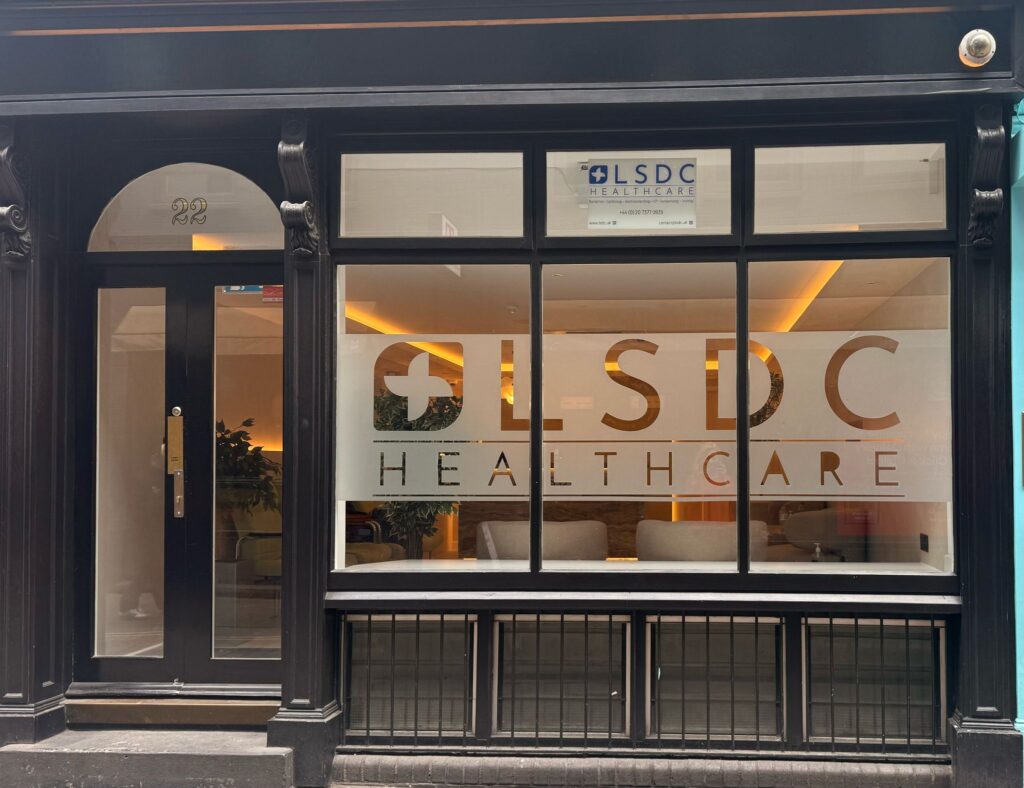
LSDC Healthcare
A couple of minutes outside Liverpool St Station, this excellent facility is conveniently located for Medical consultations in London.
This facility is open during the evenings making it an excellent choice for busy professionals.
Book A Private TURP Consultation
If urinary symptoms from prostate enlargement are affecting your quality of life, our consultants provide expert assessment and definitive surgical treatment in Central London.
FAQ — Transurethral Resection of the Prostate (TURP)
Is TURP a major operation?
TURP is considered a minimally invasive endoscopic procedure, although it requires anaesthesia and short hospital stay.
Will TURP affect sexual function?
Retrograde ejaculation is common after TURP. Erectile function is usually preserved.
How long does recovery take?
Most men resume normal activities within 4–6 weeks, although urinary symptoms may continue to improve over time.
How long do TURP results last?
TURP provides long-lasting symptom relief for most patients, often for many years.
Is TURP still relevant with newer treatments?
Yes. TURP remains the benchmark against which newer BPH treatments are compared.
Is TURP covered by private insurance?
Yes. TURP is usually covered by UK private medical insurers, subject to policy terms and authorisation.